We may earn a commission through affiliate links, at no separate charge from VerdictSift. Ordinary manufacturer links are also included. How our links work.
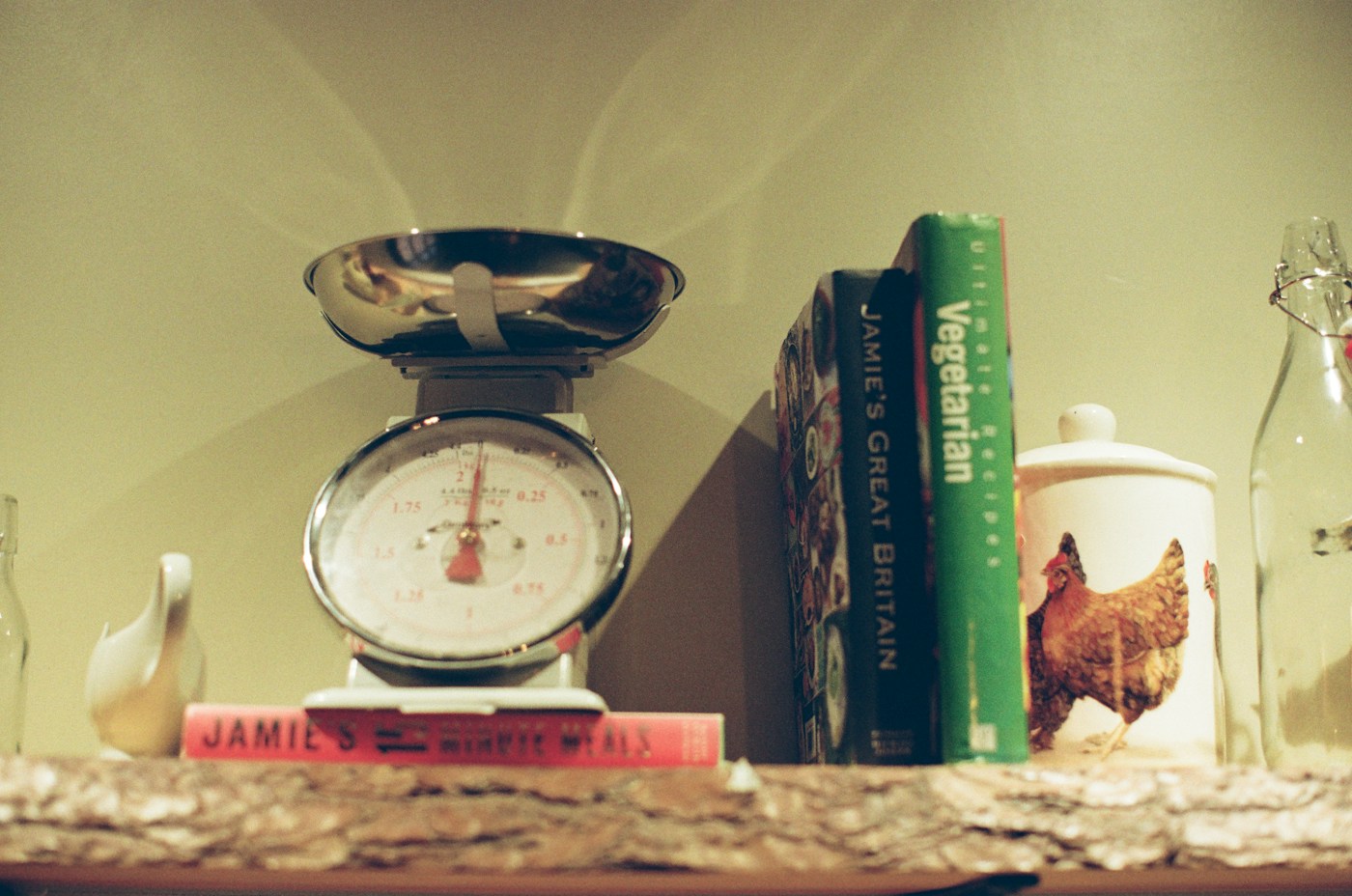
For ordinary home baking, choose a scale with the capacity and measurement increments your recipes need, a clear display and easy-to-use tare controls. Check that a large bowl does not hide the numbers. A compact scale is only convenient if it remains readable during the job.
Your options, at a glance
Start with the way you will use it, then decide which compromise makes sense.
| Option | A good fit for | The tradeoff |
|---|---|---|
| Compact flat scale | Everyday small-kitchen baking | Large bowls may cover the display |
| Scale with separated display | Wide mixing bowls | Larger footprint |
| Specialized fine-resolution scale | Tasks requiring very small increments | May have a lower capacity |
Start with the bowl and recipe
Place your usual mixing bowl on the counter and think about a normal baking session. You may weigh flour, reset the scale and add another ingredient without changing bowls. The scale must support the combined weight of the container and ingredients within its stated limit. A small platform can be workable, but a wide bowl may cover the display. Compare the physical setup, not only the advertised capacity. A product designed for tiny portions may be unsuitable for a large dough even if it looks beautifully compact.
Understand capacity and increments separately
Maximum capacity describes the load the scale is intended to measure. The displayed increment describes how readings change; they are different characteristics. Choose both for the recipes you use, and do not assume that a larger capacity provides finer measurement. If a recipe uses very small quantities, check whether the scale is intended for that range. An ordinary kitchen scale is not a substitute for specialized measurement equipment. For most home cooks, a clear specification matched to everyday ingredients is more valuable than a long list of unit modes.
Tare should be easy to reach
The tare function lets you account for the container or reset between ingredients, but its usefulness depends on a simple control layout. Check whether the button is accessible when your largest bowl is in place. A crowded touchscreen can be frustrating with floury hands, while a physical button may need cleaning around its edges. Look for a clear indication that the reading has reset. Think about how you will use the scale during an actual recipe, when you may be holding a bag or spoon with the other hand.
Readability matters in a busy kitchen
A bright display is not enough if the bowl blocks it or the viewing angle is awkward. Consider where the scale will sit and whether overhead lighting creates glare. Some designs move the display away from the platform; others rely on a larger body. Either can work if the arrangement fits your counter. Check whether the scale times out while you pause to open a cupboard or read the recipe. The exact automatic-off behavior is worth finding in the manual before it interrupts a carefully measured mixing sequence.
Choose a cleaning routine you can follow
Flour, sugar and occasional spills are part of kitchen use. Read how the platform and controls should be cleaned, and whether any removable part is washable. Do not assume the whole electronic unit can be immersed or put in the dishwasher. A flat surface can be convenient to wipe, while narrow seams may collect powder. Consider whether you can store the scale without placing weight on it. Treat it as a measuring tool with care requirements rather than another cutting board in a crowded utensil drawer.
Power and storage affect convenience
Replaceable batteries and rechargeable designs each have tradeoffs. Check what is included, how the battery compartment opens and what happens if power runs low during use. A scale that can be stored upright should only be placed that way if the maker permits it. Measure the drawer or shelf where it will live. If retrieving the scale requires moving a stack of pans, you may stop using it. Convenient access can matter more than a slim profile that looks good but gets lost under other kitchen equipment.
Buy for repeatable cooking
Choose a level, stable place for use and follow the setup instructions. Read recipes in the units they specify rather than relying on an unverified conversion mode for different ingredients. A liquid-volume display is not automatically appropriate for every substance. If the scale gives unexpected readings, check placement, load and the manual before assuming you need a more expensive model. Spend on readable controls and a suitable range. The useful upgrade is a repeatable routine that reduces measuring confusion, not a device with modes you never understand or use.
Common questions
Can I ignore the bowl's weight after pressing tare?
Tare changes the displayed reference; it does not necessarily remove the bowl from the scale's physical load limit. Follow the manufacturer's capacity guidance for the total load.
Do I need a scale with many units?
Only the units you actually use. Easy switching between common recipe units can be helpful, but extra modes should not outweigh readability, suitable capacity and straightforward controls.
Sources & further reading
This guide combines practical shopping considerations with information from the sources below. It does not represent hands-on product testing.
Source review: November 20, 2026. Product designs and seller terms can change.
Send a correction or a question