We may earn a commission through affiliate links, at no separate charge from VerdictSift. Ordinary manufacturer links are also included. How our links work.
For a shared living room, start with one shallow closed cabinet and a small open shelf for daily items. Buy more storage only after sorting what needs to stay in the room. A deeper unit can hold more, but it also takes away the floor space that makes a small room comfortable.
Your options, at a glance
Start with the way you will use it, then decide which compromise makes sense.
| Option | A good fit for | The tradeoff |
|---|---|---|
| Closed cabinet | Mixed household items | Doors need opening space |
| Open shelving | Books and frequent access | Contents remain visible |
| Storage ottoman | Occasional blankets | Uses central floor space |
Start with the evening reset
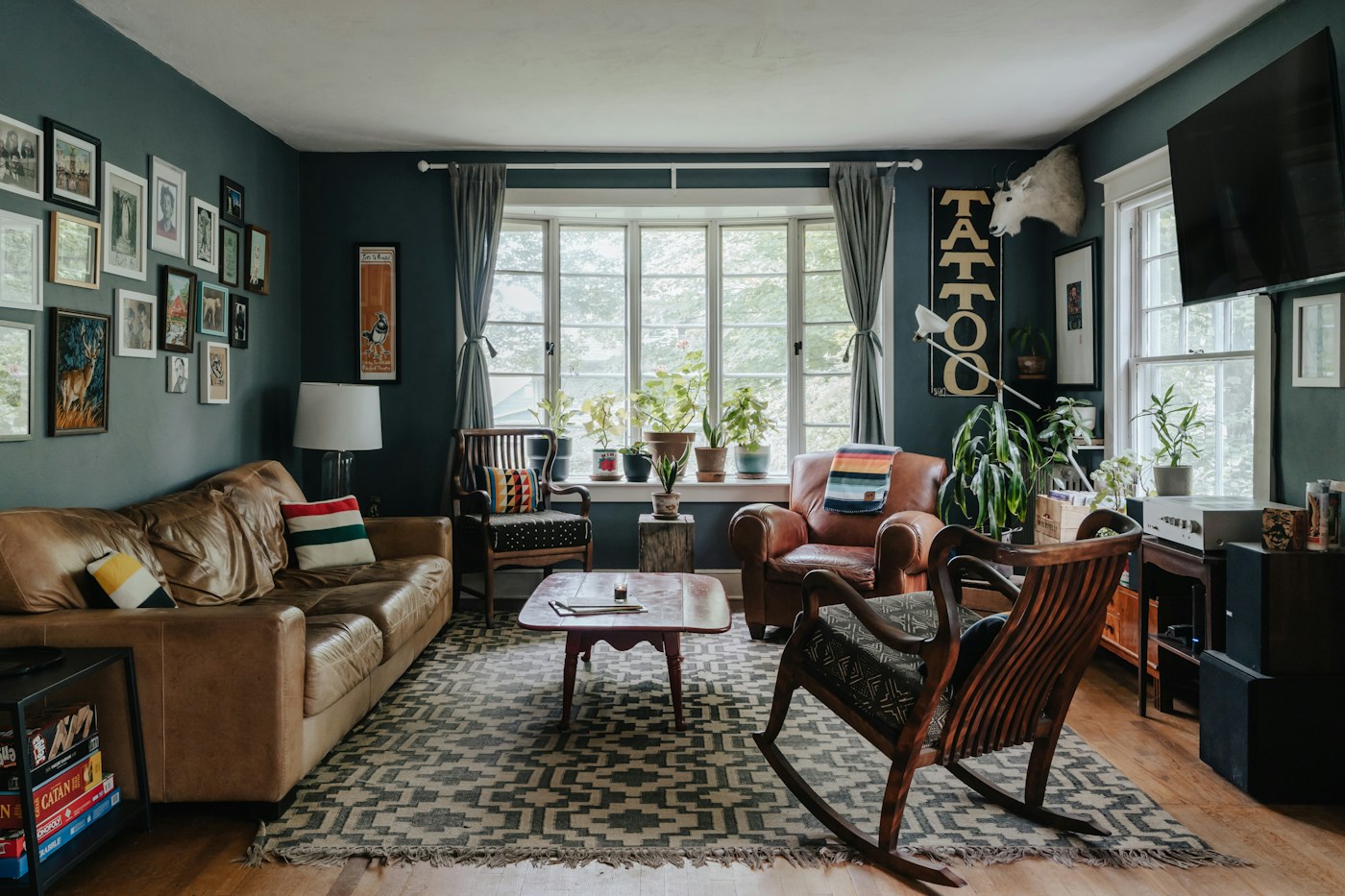
Imagine the room at eight in the evening: a laptop on the coffee table, two charging cables under the sofa and a stack of board games beside the television. Buying a bookcase could absorb the games while leaving the cables and laptop exactly where they were. Before shopping, group the mess by what happens next. Chargers need access to an outlet; games need a shelf that fits their boxes; the laptop needs a safe landing place. This simple inventory turns a vague search for more storage into a list of specific jobs.
Measure the space people use
Record width, depth and height, then mark the proposed footprint on the floor with removable tape. Walk past it with a laundry basket. Open the nearby door and pull out the sofa bed if you have one. A cabinet that technically fits can still make the room awkward. Include the space required to open doors and drawers, not just the closed dimensions. Inspect baseboards, outlets and radiator clearance before placing the order. The most useful product specification is often the one that tells you why a beautiful piece will not fit.
Closed doors or open shelves?
Closed storage works well for visual clutter: spare cables, mixed paperwork and toys that do not form an attractive display. Open shelves are easier for books and items used several times a day. A mixed arrangement usually suits a working family room better than either extreme. Keep a few accessible positions for everyday objects and place less attractive supplies behind doors. Avoid filling every shelf on delivery day. Empty space is useful capacity for the next item, not a decorating failure that requires another purchase.
Choose depth before height
Deep shelves encourage small objects to disappear behind larger ones. Measure your largest game box, record sleeve or storage basket and choose around that need. For a narrow room, shallow storage along a wall can be more usable than a wide ottoman in the middle. Tall furniture also brings installation considerations. Follow the maker's anchoring instructions and use fixings suited to the wall. Do not treat a heavy lower shelf as a substitute for a specified restraint. Renters should resolve permitted wall fixings before choosing furniture that requires them.
Make baskets earn their place
A basket is valuable when it gathers one category you can carry elsewhere: knitting supplies, children's blocks or charging accessories. Several small baskets can hide the same unsorted clutter more effectively without solving it. Check internal measurements, handle access and whether the basket can slide out without catching. Soft fabric sides suit irregular lightweight items, while rigid containers keep small pieces together. Label containers for shared use when the contents are not obvious. Buy one first and test the fit before ordering a coordinated set for every opening.
Spend on the parts you touch
A door that closes neatly and a drawer that moves smoothly matter every day. Compare hinge adjustment, shelf load guidance and the availability of replacement fittings. Veneer, solid wood and finished board each involve different costs and care; no material label alone guarantees a good cabinet. When a budget is tight, choose a simpler unit with the right dimensions instead of a larger piece with extra inserts. Delivery, assembly and required fixing hardware belong in the total price. Check package dimensions as well if stairs or a small elevator are involved.
Common questions
Should all living room storage match?
Matching dimensions and a restrained color palette are often enough. Existing furniture can stay if it serves a useful purpose. Buying a full matching collection before measuring frequently creates more crowding than a few carefully chosen pieces.
How do I know I need another cabinet?
Sort the contents and remove items that belong elsewhere first. If the remaining items still lack an accessible home, measure them and buy for that specific volume. More furniture is not the first remedy for an unclear routine.
Sources & further reading
This guide combines practical shopping considerations with information from the sources below. It does not represent hands-on product testing.
Source review: November 20, 2026. Product designs and seller terms can change.
Send a correction or a question