We may earn a commission through affiliate links, at no separate charge from VerdictSift. Ordinary manufacturer links are also included. How our links work.
Choose a blanket that fits both the people and the food, then check how it cleans and packs. A comfortable surface is only useful if carrying and drying it are manageable.
Your options, at a glance
Start with the way you will use it, then decide which compromise makes sense.
| Option | A good fit for | The tradeoff |
|---|---|---|
| Backed picnic blanket | Separating the top from grass or sand | Backing changes care and drying |
| Padded blanket | Longer sitting close to the car | More bulk |
| Thin packable sheet | Walks and limited bag space | Little cushioning |
Leave room for the picnic itself
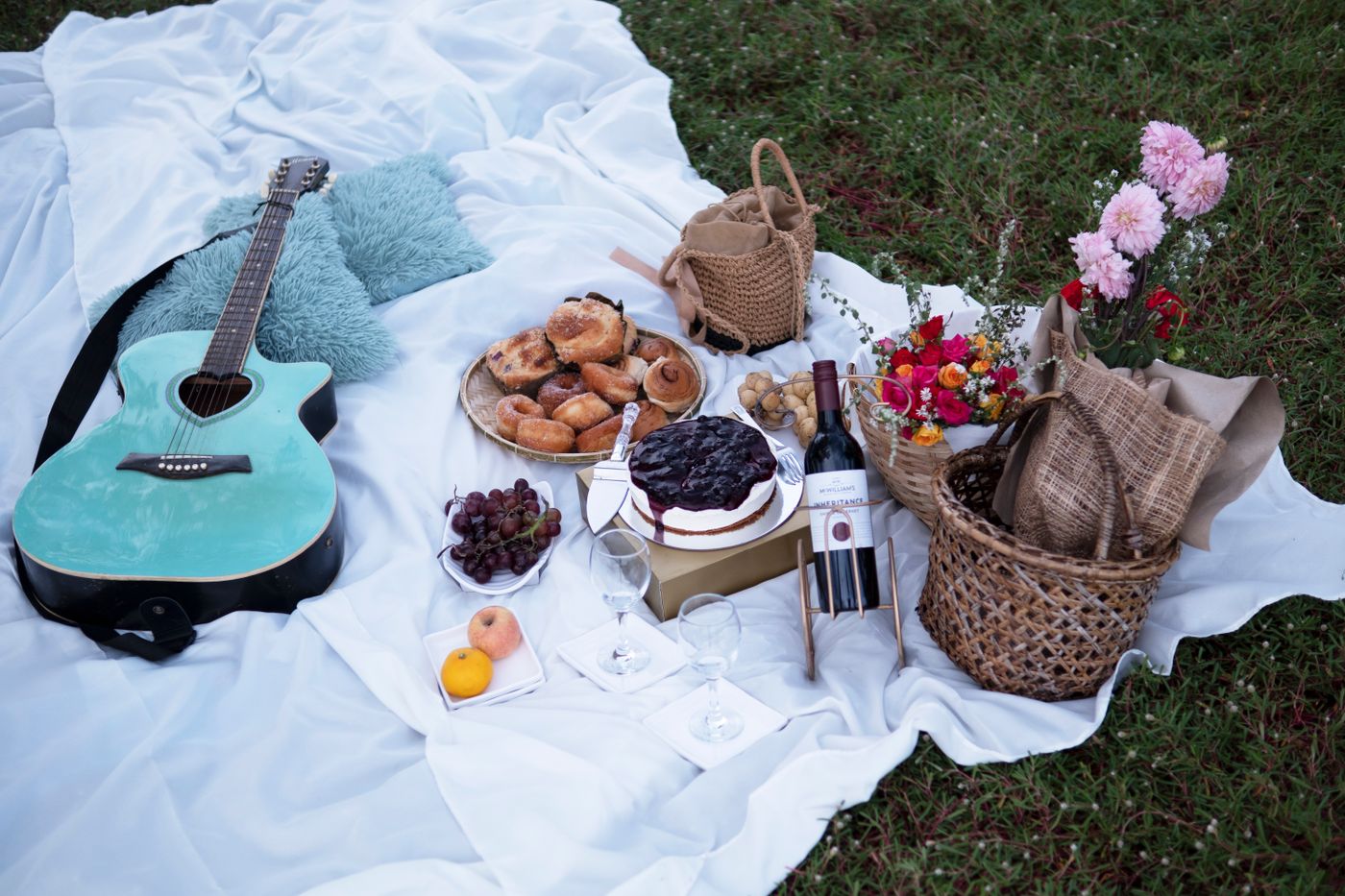
A blanket that technically seats four people may leave little space for lunch. Lay out an approximate rectangle at home and imagine everyone sitting around the food. Allow room for bags or shoes if you tend to keep them close. The useful area is more important than a product's person-count label.
Consider who will carry it. A large padded blanket can be comfortable for a family outing from the car, while a compact sheet may suit a walk to a park. You do not need the same design for every occasion. Choose around the outing you make most often.
Match the underside to the ground
A backed blanket can help separate the sitting surface from damp grass or sand, but the exact level of protection depends on the product. Read the manufacturer's description rather than assuming every coated underside is waterproof. Seams and edges also matter.
On dry ground, a simple washable blanket may be perfectly useful. Thick padding adds comfort but also bulk and drying time. A very thin sheet packs small but offers little cushioning on uneven ground. Decide which compromise you are happy to carry instead of expecting one material to provide every advantage.
Think about cleaning before the first spill
Picnics involve crumbs, drinks and dirt. Check whether the whole blanket is machine washable or whether parts need spot cleaning. A care routine you can manage at home is more useful than an attractive fabric that becomes a chore after each outing.
Look at stitched channels, backing edges and attached straps, where debris may collect. Shake out loose dirt appropriately and follow the washing instructions. Allow all layers to dry before folding for storage. A blanket that feels dry on top may still hold moisture underneath or between padded layers.
Choose a carrying system you will use
A built-in strap is convenient if it works when the blanket is folded reasonably rather than perfectly. A separate carry bag can keep the blanket contained but becomes another item to track. Check whether the opening is generous enough for quick packing at the end of the day.
If you walk or cycle to the park, consider whether the packed shape fits your existing bag. For car trips, a slightly larger roll may be unimportant. Do not pay for an unusually compact fold if achieving it requires a careful sequence you will dislike repeating on grass.
Look beyond the styled photograph
Beautiful picnic images often leave out the cooler, jackets and half-finished food containers. Imagine those ordinary items in the scene before choosing the size or color. A pattern that hides minor marks may be practical, though it should still be easy to see when the blanket needs cleaning.
Corner pockets or attachment points can help with certain setups, but follow the intended use and avoid creating trip hazards. Extra features are useful only if they solve a repeated inconvenience. A straightforward blanket that unfolds quickly can be the better option for spontaneous outings.
Buy for repeat use
For frequent park lunches, prioritize washing and easy transport. For sitting near the car, consider more cushioning if you enjoy long afternoons. For occasional use in dry conditions, an existing suitable blanket may already meet the need.
Our practical recommendation is to choose enough area for the real group without buying a size so cumbersome that it stays at home. Unfold it, sit on it and practice packing it before the first trip. The best picnic blanket makes it easier to decide to go outside, and easier to clean up when you return.
Common questions
Does a water-resistant backing mean waterproof?
Not necessarily. Check the product's stated construction and limitations, including seams and edges.
How large should it be?
Allow space for people, food and the belongings you usually keep on the blanket. Person-count labels are only a starting point.
Sources & further reading
This guide combines practical shopping considerations with information from the sources below. It does not represent hands-on product testing.
Source review: November 20, 2026. Product designs and seller terms can change.
Send a correction or a question