We may earn a commission through affiliate links, at no separate charge from VerdictSift. Ordinary manufacturer links are also included. How our links work.
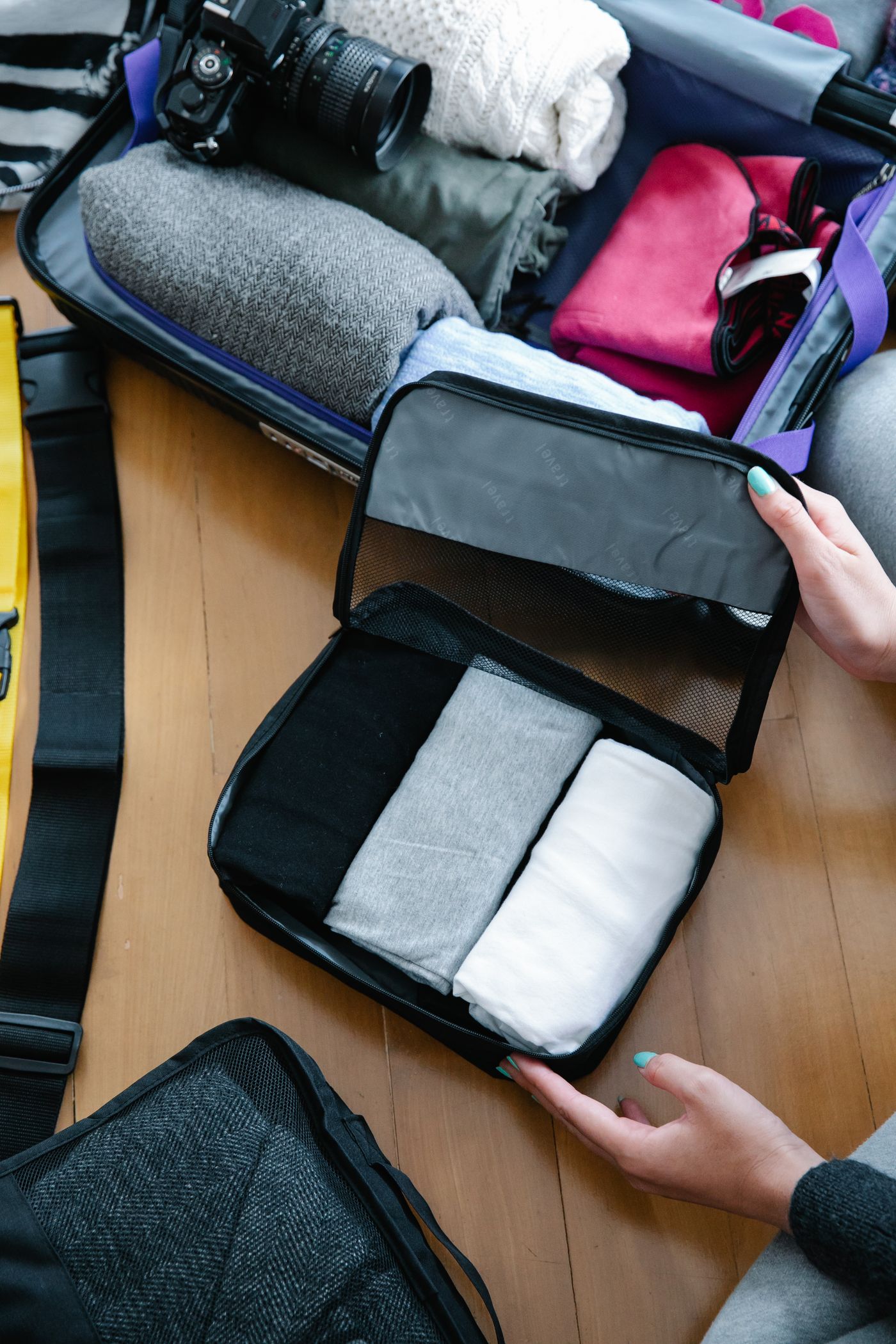
Start with two or three simple cubes sized for your existing bag. Choose compression only when bulky clothing, rather than loose small items, is the problem.
Your options, at a glance
Start with the way you will use it, then decide which compromise makes sense.
| Option | A good fit for | The tradeoff |
|---|---|---|
| Mesh packing cubes | Seeing clothing groups at a glance | Less privacy and no inherent liquid protection |
| Compression cubes | Reducing the bulk of soft layers | Extra zippers and temptation to overpack |
| Simple fabric pouches | Small flexible travel loads | Less structure and visibility |
Buy for the unpacking routine
You arrive late, need a clean T-shirt and do not want to empty everything onto the bed. That is a useful problem for packing cubes to solve. Their main job is to group belongings so you can retrieve and repack them easily. A large matching set is not automatically more useful than a couple of well-chosen pieces.
Think about whether you unpack into drawers, live out of the case or move accommodation every night. Drawer users may like cubes that open fully. Frequent movers often prefer smaller groups that can remain packed. Start with clothing categories you can recognize quickly instead of organizing everything into identical bags that all look the same.
Measure the suitcase before ordering
A cube set can look tidy in a photograph while fitting your own case poorly. Measure the usable floor of the compartment, noting wheel housings and internal handles. Compare cube dimensions in combinations rather than assuming a full set will fill the space efficiently.
Leave room for rigid objects such as shoes and a toiletry kit. Filling every corner with large cubes can make those objects harder to place. Soft-sided organizers tolerate small gaps, but they are not infinitely flexible once stuffed. A useful starter arrangement might be one clothing cube, one underwear cube and a small pouch for items that otherwise disappear between garments.
Compression is a tradeoff
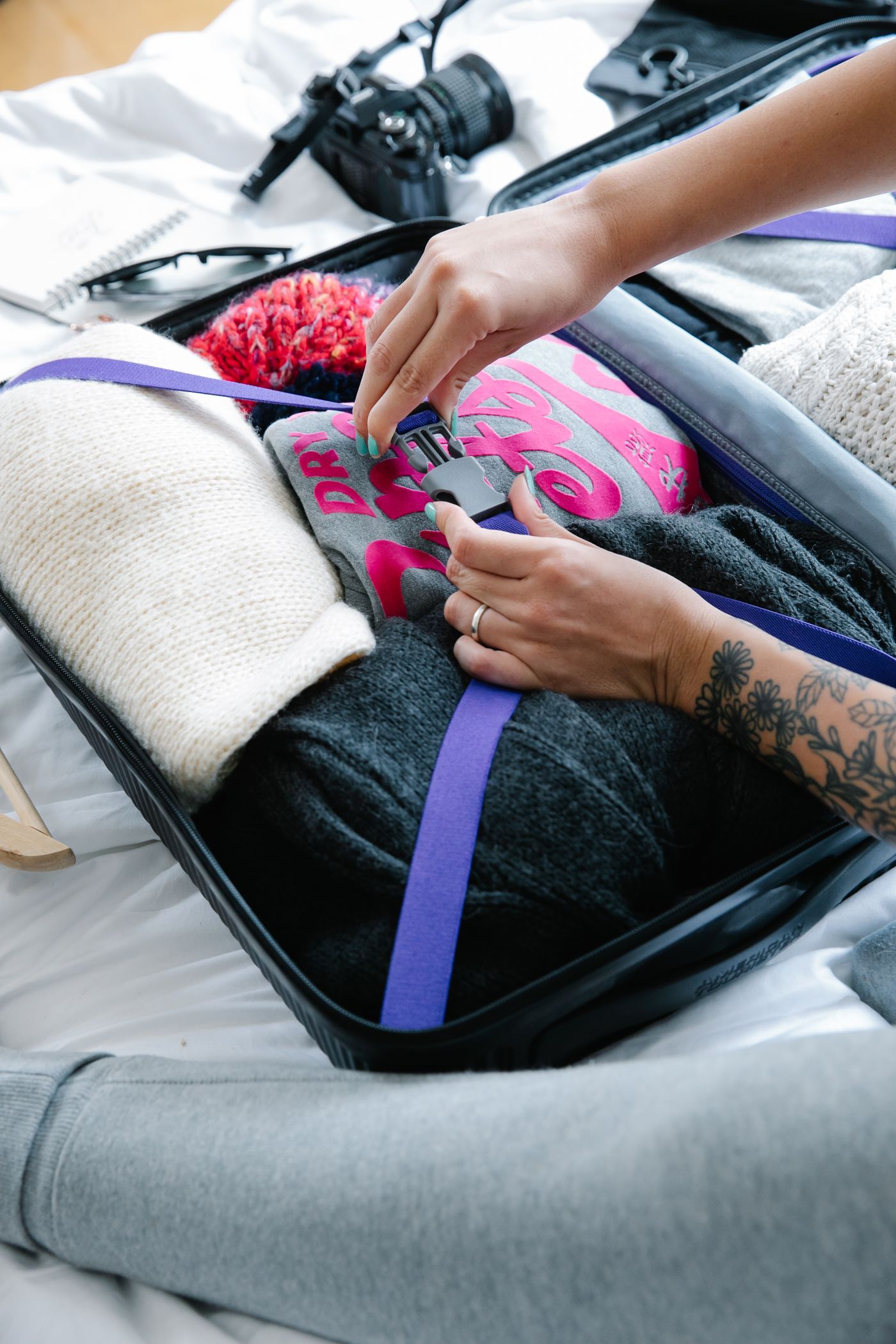
Compression cubes add another zipper that reduces the thickness of their contents. They can help with softer, bulkier clothing, but they do not make the contents weigh less. It is easy to save space and then fill the newly available space with more things, creating a bag that is harder to lift.
Avoid forcing the zipper around a cube that is already overfilled. If clothing bulges into a rounded brick, the result may pack less neatly than a lightly filled regular cube. Choose compression for a known load, such as a fleece and spare layers. For thin shirts and underwear, a simple lightweight organizer may be enough.
Look at visibility and access
Mesh panels let you identify contents without opening each cube. Solid fabric can feel neater and may better separate delicate clothing from neighboring items. Neither style should be assumed waterproof. Check the actual construction if liquid protection is a requirement.
Zipper placement matters more than an attractive pattern. A cube that opens around three sides is easy to pack flat; a small top opening may require digging. Pull tabs should be easy to grip. A grab handle is convenient when transferring a cube into a drawer, but an oversized handle or thick frame can add bulk that does not help a short trip.
Do not buy a set for every possible item
Large bundles often include pieces you would never choose individually. Decide which two or three organizers solve your current packing problem, and compare their total size and weight with the complete kit. You may already own a small pouch that works perfectly for socks or swimwear.
Keep dirty laundry separate, but do not seal damp garments inside a cube and forget them. Follow the organizer's cleaning instructions after a trip and allow everything to dry before storage. Clear organization should make the contents easier to inspect, not encourage you to put wet or soiled items out of sight.
Try a three-day test at home
Pack for a normal three-day trip, then remove the things you would use on the first evening. Can you reach them without disturbing the rest? Repack in a different order. If the cubes only work in one precise arrangement, simplify the system.
Our preferred starting point is a modest set with easy zippers and dimensions that fit your actual suitcase. Pay extra for compression only after confirming what it will compress. A good cube system lets you pack calmly and find things quickly; it should not become a separate project every time you leave home.
Common questions
Do cubes create more space?
They help organize space. Compression designs may reduce clothing bulk, but neither type reduces the weight of what you pack.
How many should I start with?
Try two or three useful sizes in your current bag. Add another only after a trip reveals a clear need.
Sources & further reading
This guide combines practical shopping considerations with information from the sources below. It does not represent hands-on product testing.
Source review: November 20, 2026. Product designs and seller terms can change.
Send a correction or a question