We may earn a commission through affiliate links, at no separate charge from VerdictSift. Ordinary manufacturer links are also included. How our links work.
Separate everyday brushing from styling with heat, then choose a tool intended for that job. A comfortable handle and manageable head size matter more than a large assortment of unfamiliar shapes. Check the manufacturer's instructions before using any brush with a dryer or on wet hair.
Your options, at a glance
Start with the way you will use it, then decide which compromise makes sense.
| Option | A good fit for | The tradeoff |
|---|---|---|
| Paddle-style brush | Broad everyday brushing | Larger head takes storage space |
| Compact palm-held brush | Small bags and simple storage | Different grip from a handle |
| Round styling brush | A defined styling technique | Requires the intended technique and heat compatibility |
Give the brush one main job
A brush kept beside a bathroom mirror might be used for a quick morning tidy-up, while one kept with a dryer may serve a different purpose. Decide which job you need to improve before shopping. Trying to make one brush perform every task can create an awkward compromise, but buying several without clear roles can also waste space. Think about the movements you already make and what feels inconvenient. This guide compares purchase considerations; it does not promise that a particular brush will produce a certain hair texture or styling result.
Check the intended conditions of use
Read the exact product description for whether the brush is intended for wet hair, dry hair, detangling or heat styling. Products within the same brand can have different instructions. A shape that resembles a styling brush is not sufficient evidence that it should be used with a hot tool. Tangle Teezer publishes product guidance and care information, for example, but the instructions for one design should not be applied to every design. If the listing is unclear, consult the maker before purchasing instead of relying on a broad marketplace category.
Compare head size with control
A broad paddle can be convenient over a larger area, while a smaller brush may be easier to position or pack. A rounded brush adds a different handling task and may not suit someone who simply wants straightforward daily brushing. Compare the dimensions and look for photographs that show scale in a hand. Consider whether you can reach the parts of your routine comfortably. A brush that appears compact in a product image may be wider than your storage slot or awkward beside a close bathroom mirror.
Look at grip and handle shape
A handle should feel secure without requiring an awkward grip. Consider its thickness, surface and the distance between your hand and the brush head. A palm-held design can be compact, but it offers a different grip from a conventional handle. Neither is automatically better. If you use several tools during styling, check how easily you can set the brush down and pick it up again. A heavily shaped handle may look ergonomic without matching your hand. Prioritize a natural, repeatable movement over a design label.
Consider the cleaning routine
Hair and product residue collect around a brush's working surface. Examine the spacing, cushion and corners to see how accessible they are, then follow the maker's care instructions. Some constructions should not be fully submerged, and a wooden handle may need different treatment from a molded plastic body. Do not assume a tool is dishwasher-safe or suitable for soaking. Give a cleaned brush the drying time and position described by its manufacturer. A slightly simpler design can be more practical if it encourages you to maintain it regularly.
Avoid choosing by material alone
Descriptions may emphasize natural bristles, synthetic pins, vents or coatings. Those details can be relevant, but they do not remove the need to check intended use and handling. Compare actual construction rather than assuming one material is universally superior. Look at how the head is attached and whether components appear loose or damaged when the item arrives. For a travel brush, check that any cover protects the working surface without forcing it into an awkward shape. Extra finishes matter less than clear instructions, appropriate dimensions and reliable everyday access.
Build a small, understandable collection
Start with the tool that solves your most frequent problem and keep the other purchases specific. If you later need a separate brush for a styling step, choose it based on that step rather than buying a matching set automatically. Check the seller's hygiene and return conditions before opening a personal-care tool. Inspect the product when it arrives and follow its instructions from the beginning. A useful collection might contain only a couple of distinct tools; there is no requirement to own every shape displayed in a salon or online tutorial.
Common questions
Can I use any hairbrush with a dryer?
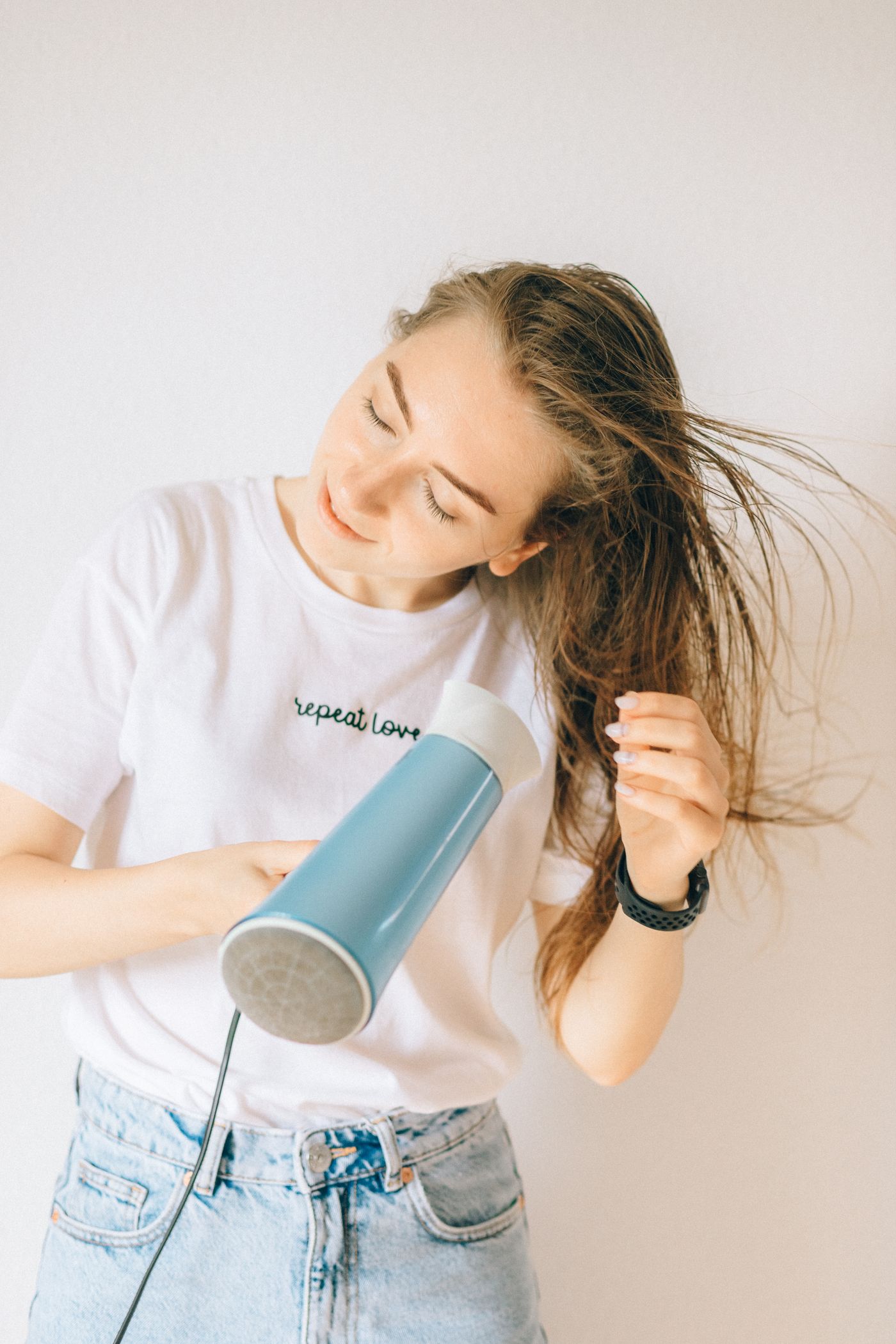
Use a brush with heat only when its manufacturer identifies it as suitable and follow the instructions for both tools. Similar shapes can use different materials or construction. Check the exact product rather than relying on a generic styling label.
Is a large brush set better value?
Only if the pieces serve distinct tasks you actually perform. Count the tools you expect to use regularly, then compare that cost with buying individually. Unused brushes still take storage space and do not make a set a more practical purchase.
Sources & further reading
This guide combines practical shopping considerations with information from the sources below. It does not represent hands-on product testing.
Source review: November 20, 2026. Product designs and seller terms can change.
Send a correction or a question